
Click here to Download our free peptide guide

Semax – 10mg

Please note, all orders are processed Monday – Friday 8:00 a.m. – 4:00 p.m. est. Any orders received after 4:00 p.m. est will be processed during the next business day.

Loading...

Semax – 10mg

Original price was: $54.99.Current price is: $46.74.

Semax 10mg Description

Semax is a synthetic heptapeptide analog of adrenocorticotropic hormone (ACTH), derived from the ACTH(4–7) fragment with an added Pro-Gly-Pro tail that resists enzymatic breakdown and extends its activity. Developed in Russia in the 1980s, it is recognized for its neuroprotective, nootropic, and neurorestorative properties.

Semax works primarily by upregulating neurotrophic factors — particularly brain-derived neurotrophic factor (BDNF) and its receptor TrkB — while also modulating dopaminergic, serotonergic, and cholinergic neurotransmitter systems and demonstrating anti-inflammatory and antioxidant activity in neural tissue.

Due to these properties, Semax has been extensively studied as a research tool in neurobiology, including investigations into cognition and learning, cerebral ischemia, neurotransmitter regulation, and neuroprotection. This product is being sold for its use in research only.

50 in stock

SKU: SX10 Category:

You may also like

Selank – 10mg

Original price was: $49.99.Current price is: $42.49.

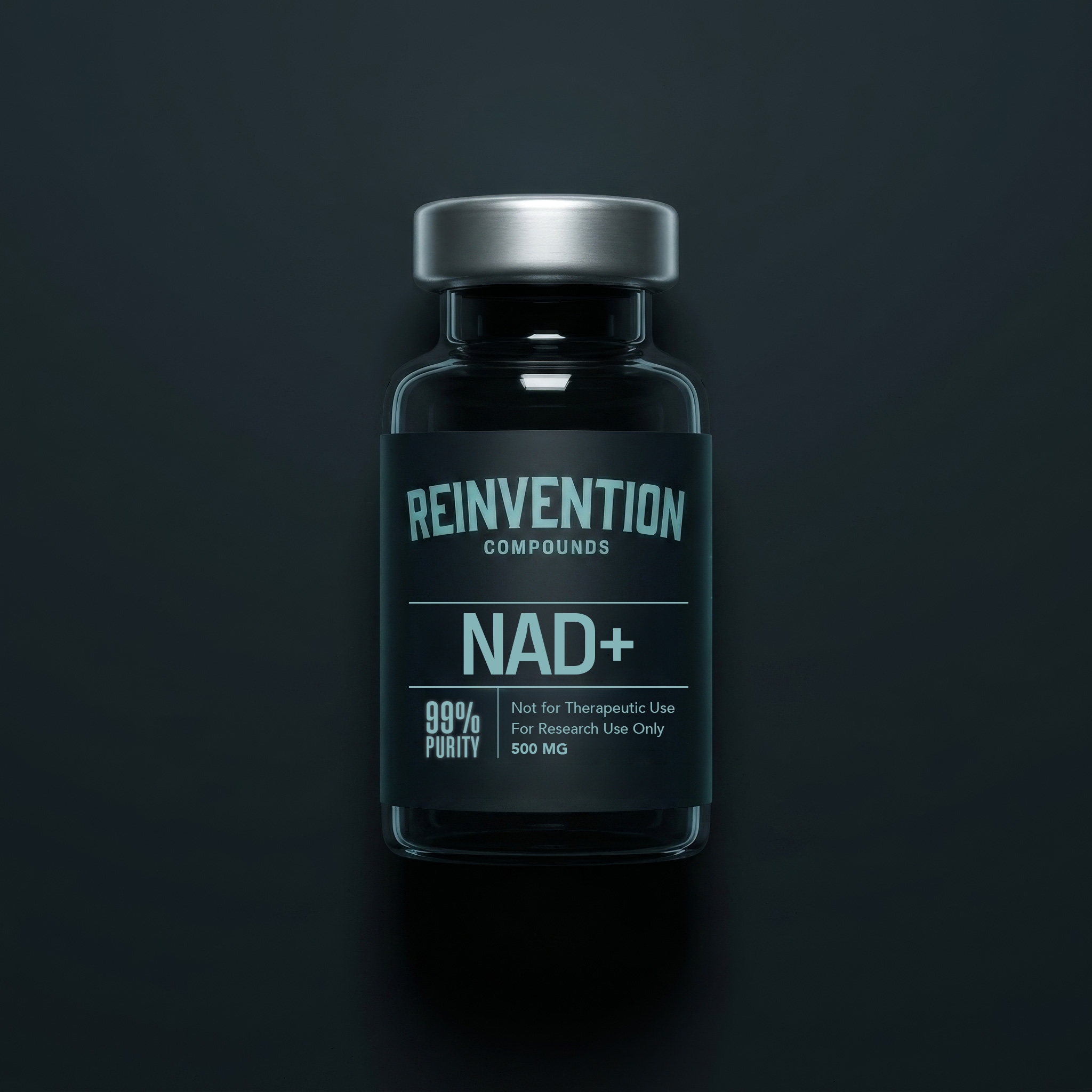
Nicotinamide Adenine Dinucleotide (NAD+) – 500mg

Original price was: $64.99.Current price is: $55.24.

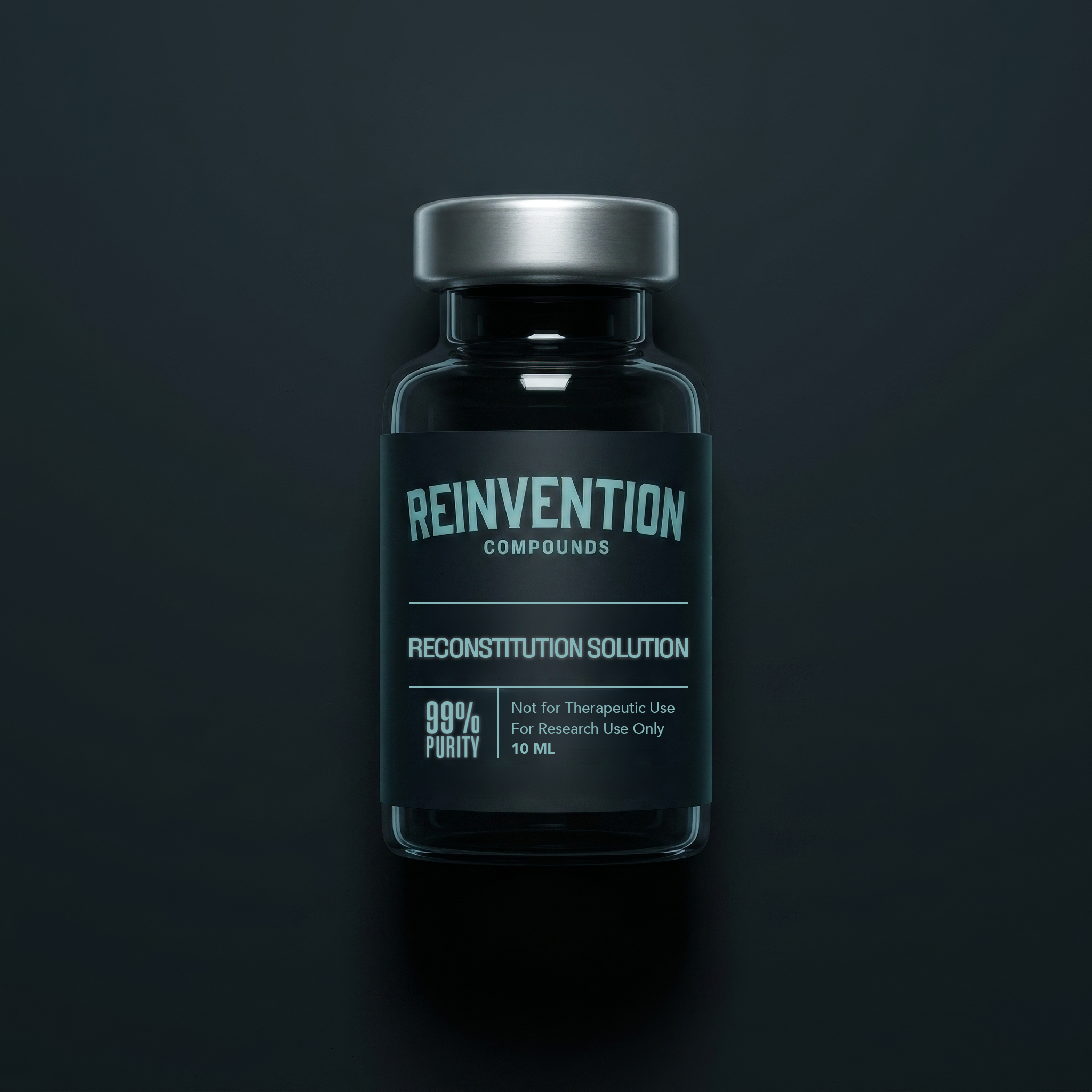
Research Bacteriostatic Water

Price range: $10.99 through $24.99

BPC-157 – 10mg

Original price was: $69.99.Current price is: $59.49.

Semax Description

Semax is a synthetic heptapeptide analog of adrenocorticotropic hormone (ACTH), derived from the ACTH(4–7) fragment with an added Pro-Gly-Pro (PGP) tripeptide tail at the C-terminus. It was developed in the 1980s at the Institute of Molecular Genetics of the Russian Academy of Sciences. The Pro-Gly-Pro extension is the peptide’s defining structural feature: the native ACTH fragment is degraded by plasma and brain peptidases within seconds, whereas the stabilizing tail blocks enzymatic cleavage and allows Semax to persist long enough to exert downstream effects.

Semax is recognized for its neuroprotective, nootropic, and neurorestorative properties. Its primary mechanism centers on the upregulation of neurotrophic factors — particularly brain-derived neurotrophic factor (BDNF) and its receptor TrkB — alongside modulation of dopaminergic, serotonergic, and cholinergic neurotransmitter systems. It also influences melanocortin receptor signaling and demonstrates anti-inflammatory and antioxidant activity in neural tissue.

Due to these properties, Semax has been extensively studied as a research tool in neurobiology, with investigations spanning neurotrophin gene expression, cognitive and learning models, ischemia and stroke models, and neuroimmune signaling. In Russia it is a registered medicine for ischemic stroke and optic nerve disorders; outside Russia it is studied strictly as a research peptide.

Peptide Information

Peptide Sequence Met-Glu-His-Phe-Pro-Gly-Pro (MEHFPGP)
Molecular Formula C37H51N9O10S
Molecular Weight 813.9 g/mol
CAS Number 80714-61-0
PubChem CID 9811102
Synonyms ACTH(4-7)-PGP, Pro-Gly-Pro-ACTH, MEHFPGP
Supplied As Acetate salt

Lyophilized Peptides:

These peptides are freeze-dried, a process that not only extends shelf life but also preserves the purity and integrity of the peptides during storage. We do not use any fillers in this process. Semax is light-sensitive; store protected from light and moisture.

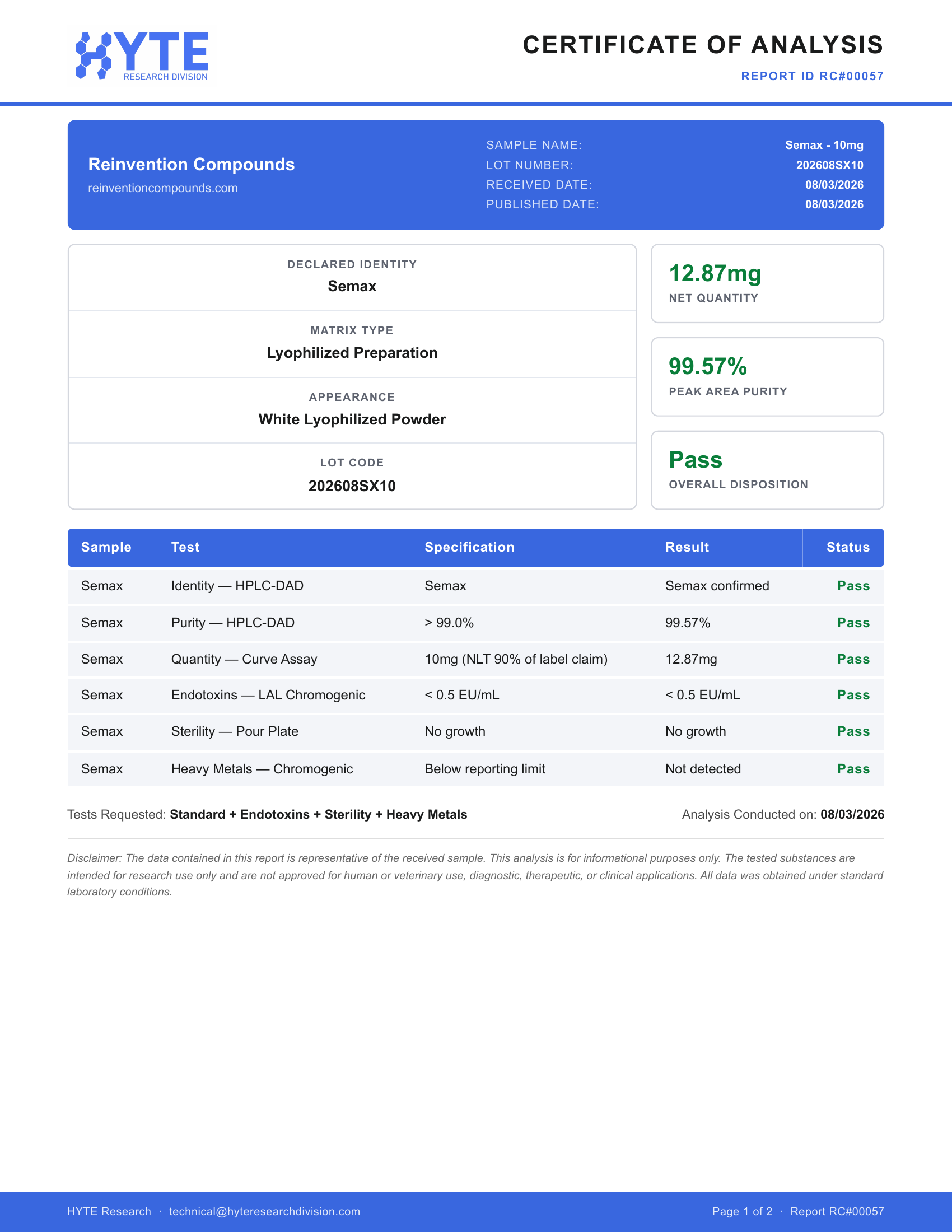
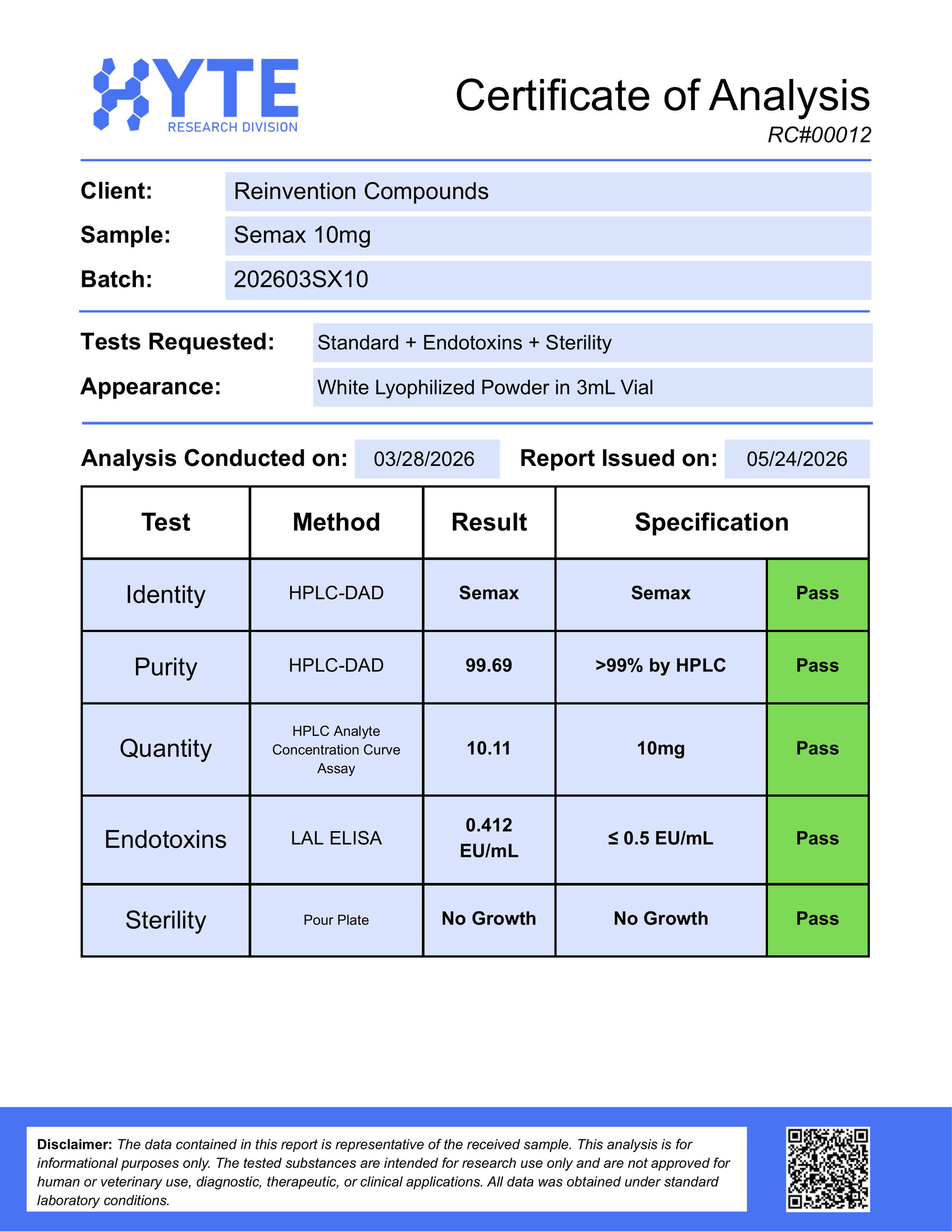
Sealed Vial: 10mg of Lyophilized Powder in 3ml Vial

CAS No.: 80714-61-0

Other Names: ACTH(4-7)-PGP, Pro-Gly-Pro-ACTH, Semax Acetate

This Product is Not For Human Consumption and is for Laboratory Use Only. Please Read our Terms and Conditions.

Disclaimer: For Research Purposes Only
This content is provided strictly for research purposes and does not constitute an endorsement or recommendation for the non-laboratory application or improper handling of peptides designed for research. The information, including discussions about specific peptides and their researched benefits, is presented for informational purposes only and must not be construed as health, clinical, or legal guidance, nor an encouragement for non-research use. Peptides described here are solely for use in structured scientific study by authorized individuals. We advise consulting with research experts, medical practitioners, or legal counsel prior to any decisions about obtaining or utilizing these peptides. The expectation of responsible, ethical utilization of this information for legitimate investigative and scholarly objectives is paramount. This notice is dynamic and governs all provided content on research peptides.

Semax Research

The following sections explore the diverse applications and mechanisms of Semax across multiple research domains. As one of the most extensively documented synthetic neuropeptides in the preclinical literature, Semax has been investigated for its effects on neurotrophin signaling, neurotransmitter modulation, cognitive performance, and neuroprotection.

This overview synthesizes key findings on its BDNF/TrkB mechanism and experimental applications in cognition, cerebral ischemia, neurotransmitter regulation, and neuroinflammation.

BDNF and TrkB Neurotrophic Signaling

The most mechanistically robust finding in the Semax literature concerns its effect on neurotrophins. Research demonstrated that a single intranasal application of Semax (50 µg/kg) produced an approximately 1.4-fold increase in BDNF protein, a 1.6-fold increase in TrkB tyrosine phosphorylation, and roughly 3-fold and 2-fold increases in exon III BDNF and TrkB mRNA, respectively, in the rat hippocampus — with treated animals showing improved performance on conditioned avoidance tasks1. This indicates Semax modulates cognitive function by enhancing both the expression and activation of the hippocampal BDNF/TrkB system, with downstream signaling through CREB-dependent and MAPK/ERK pathways.

Cerebral Ischemia and Stroke Research

Semax has been studied extensively in cerebral ischemia models. A genome-wide transcriptional analysis in a rat focal ischemia model (permanent middle cerebral artery occlusion) found that Semax predominantly enhanced the expression of genes related to the immune system and influenced genes promoting formation and functioning of the vascular system, suggesting immunomodulatory and pro-angiogenic actions as key contributors to its neuroprotective effect2. Complementary work demonstrated that Semax and its Pro-Gly-Pro fragment activate the transcription of neurotrophins and their receptor genes following cerebral ischemia3.

Neurotransmitter System Modulation

Beyond neurotrophins, Semax has been investigated for its effects on monoaminergic systems. Research has reported that Semax, as an ACTH(4-10) analog with nootropic properties, activates dopaminergic and serotonergic brain systems in rodents, contributing to its effects on motivation, mood, and cognition4. It is also reported to inhibit enkephalin-degrading enzymes, prolonging endogenous regulatory peptide activity.

Oxidative Stress and Cellular Protection

Semax has been examined for direct cytoprotective properties. Research evaluating Semax in cultured rat pheochromocytoma cells reported protective effects on cell survival under oxidative stress conditions, supporting an antioxidant component to its neuroprotective profile alongside its neurotrophic actions5.

Stress Adaptation Research

More recent work has explored Semax in stress models. Research examining the ACTH(4-10) synthetic analogs Semax and Melanotan II reported antidepressant-like and antistress effects in male rats under a chronic unpredictable stress model, extending the peptide’s investigated profile into stress-resilience contexts6.

Research Considerations

The Semax research literature is notable for an extensive preclinical and Russian clinical body, but a recognized limitation is the absence of large-scale, Western-standard randomized clinical trials. Reported effects are characterized as building gradually rather than acutely, and the compound is consistently described as well tolerated in research contexts, with mild injection-site reactions among the few noted effects. These considerations are routinely accounted for within controlled study protocols.

References

  1. Dolotov, O. V., Karpenko, E. A., Inozemtseva, L. S., Seredenina, T. S., Levitskaya, N. G., Rozyczka, J., et al. (2006). Semax, an analog of ACTH(4-10) with cognitive effects, regulates BDNF and trkB expression in the rat hippocampus. Brain Research, 1117(1), 54–60. https://doi.org/10.1016/j.brainres.2006.07.108
  2. Medvedeva, E. V., Dmitrieva, V. G., Povarova, O. V., Limborska, S. A., Skvortsova, V. I., Myasoedov, N. F., & Dergunova, L. V. (2014). The peptide semax affects the expression of genes related to the immune and vascular systems in rat brain focal ischemia: genome-wide transcriptional analysis. BMC Genomics, 15, 228. https://doi.org/10.1186/1471-2164-15-228
  3. Dmitrieva, V. G., Povarova, O. V., Skvortsova, V. I., Limborska, S. A., Myasoedov, N. F., & Dergunova, L. V. (2010). Semax and Pro-Gly-Pro activate the transcription of neurotrophins and their receptor genes after cerebral ischemia. Cellular and Molecular Neurobiology, 30(1), 71–79. https://doi.org/10.1007/s10571-009-9432-0
  4. Eremin, K. O., Kudrin, V. S., Saransaari, P., Oja, S. S., Grivennikov, I. A., Myasoedov, N. F., & Rayevsky, K. S. (2005). Semax, an ACTH(4-10) analogue with nootropic properties, activates dopaminergic and serotoninergic brain systems in rodents. Neurochemical Research, 30(12), 1493–1500. https://doi.org/10.1007/s11064-005-8826-8
  5. Safarova, E. R., Shram, S. I., Zolotarev, Yu. A., & Myasoedov, N. F. (2003). Effect of Semax peptide on survival of cultured rat pheochromocytoma cells during oxidative stress. Bulletin of Experimental Biology and Medicine, 135(3), 268–271. https://doi.org/10.1023/A:1024141232307
  6. Inozemtseva, L. S., Dolotov, O. V., et al. (2024). Antidepressant-like and antistress effects of the ACTH(4-10) synthetic analogs Semax and Melanotan II on male rats in a model of chronic unpredictable stress. European Journal of Pharmacology. https://pubmed.ncbi.nlm.nih.gov/ (Inozemtseva et al., 2024)
{{ reviewsTotal }}{{ options.labels.singularReviewCountLabel }}
{{ reviewsTotal }}{{ options.labels.pluralReviewCountLabel }}
{{ options.labels.newReviewButton }}
{{ userData.canReview.message }}

Related Products

DSIP – 10mg

Original price was: $49.99.Current price is: $42.49.

KPV – 10mg

Original price was: $54.99.Current price is: $46.74.

KLOW Blend – 80mg (BPC-157 + TB-500 + GHK-Cu + KPV)

Original price was: $119.99.Current price is: $101.99.

Oxytocin Acetate – 5mg

Original price was: $39.99.Current price is: $33.99.

Join Waitlist We will inform you when the product arrives in stock. Please leave your valid email address below.